Home › Industrial and Heavy-Duty Asphalt Paving
Get rugged pavement designed for hard use with industrial asphalt paving in Richmond, VA. We build truck yards, loading areas, and warehouse lots with thicker asphalt and strong bases. Our heavy duty designs handle frequent turning, stacking, and static loads so your operations stay safe and efficient.
Precision Asphalt Richmond provides professional industrial asphalt paving throughout Richmond, VA, Virginia and the surrounding area. Our licensed, insured crew delivers safe, clean, on-time work with a free estimate before anything begins. Call (804) 409-4124 or request your free quote.
Industrial Asphalt Paving Built For Heavy Loads In Richmond
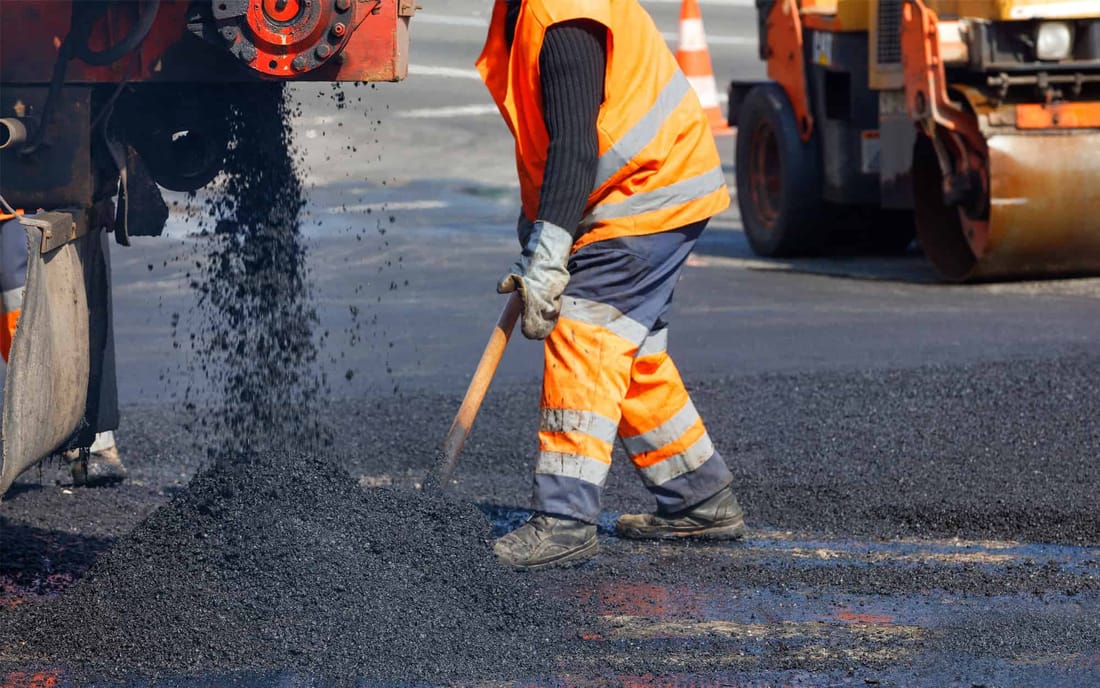
Industrial asphalt paving is different from driveway or small parking lot work. At Precision Asphalt Richmond, we design pavements to handle constant truck traffic, forklifts, containers, and stacked inventory without rutting or breaking up. That means tighter engineering, heavier sections, and closer attention to what is happening under the surface.
For industrial sites in Richmond, we start by walking the property with you and talking through how the pavement will be used. We ask about axle loads, turning paths, where trucks sit and idle, staging areas, dumpster pads, loading docks, and any areas that see steel-tracked equipment. A lot of failures come from treating the whole site the same, so we separate it into zones and match the pavement section to the actual use of each area.
Richmond soils can vary a lot from one side of a site to the other. Some areas are firm and drain well, others have soft, silty subgrade that pumps water. Our crews test and probe the subgrade instead of assuming it is uniform. Where the soil is weaker, we thicken the stone base, use different compaction methods, or add stabilization instead of hoping the asphalt will make up the difference later.
How Heavy-Duty Pavement Is Designed And Built
Industrial asphalt paving starts with the structure you never see. We usually begin with excavation to a depth based on your expected traffic and the existing soil. For many industrial yards in the Richmond area, we remove 8 to 18 inches of material, then rebuild with a compacted stone base. Open storage yards with container stacks or frequent tractor trailer traffic often need the deeper end of that range.
We install a graded aggregate base in multiple lifts, typically 2 to 4 inches at a time, compacting each lift with the right rollers until we hit target density. This is where many cheap jobs cut corners by placing the base too thick and under compacting it. At loading docks and dumpster pads where trucks brake and turn, we often specify an extra thick or higher quality base because those locations are where rutting usually shows up first.
On top of the stone, we place one or more asphalt layers. A common heavy duty section might be a 3 inch base course with a coarser mix and a 1.5 to 2 inch surface course with a tighter, smoother mix. For heavy industrial users, we may add an intermediate binder course, which increases overall thickness and helps handle shear loads from turning trucks and forklifts. We discuss mix designs with you, including whether a harder binder or polymer modified mix makes sense for high stress zones.
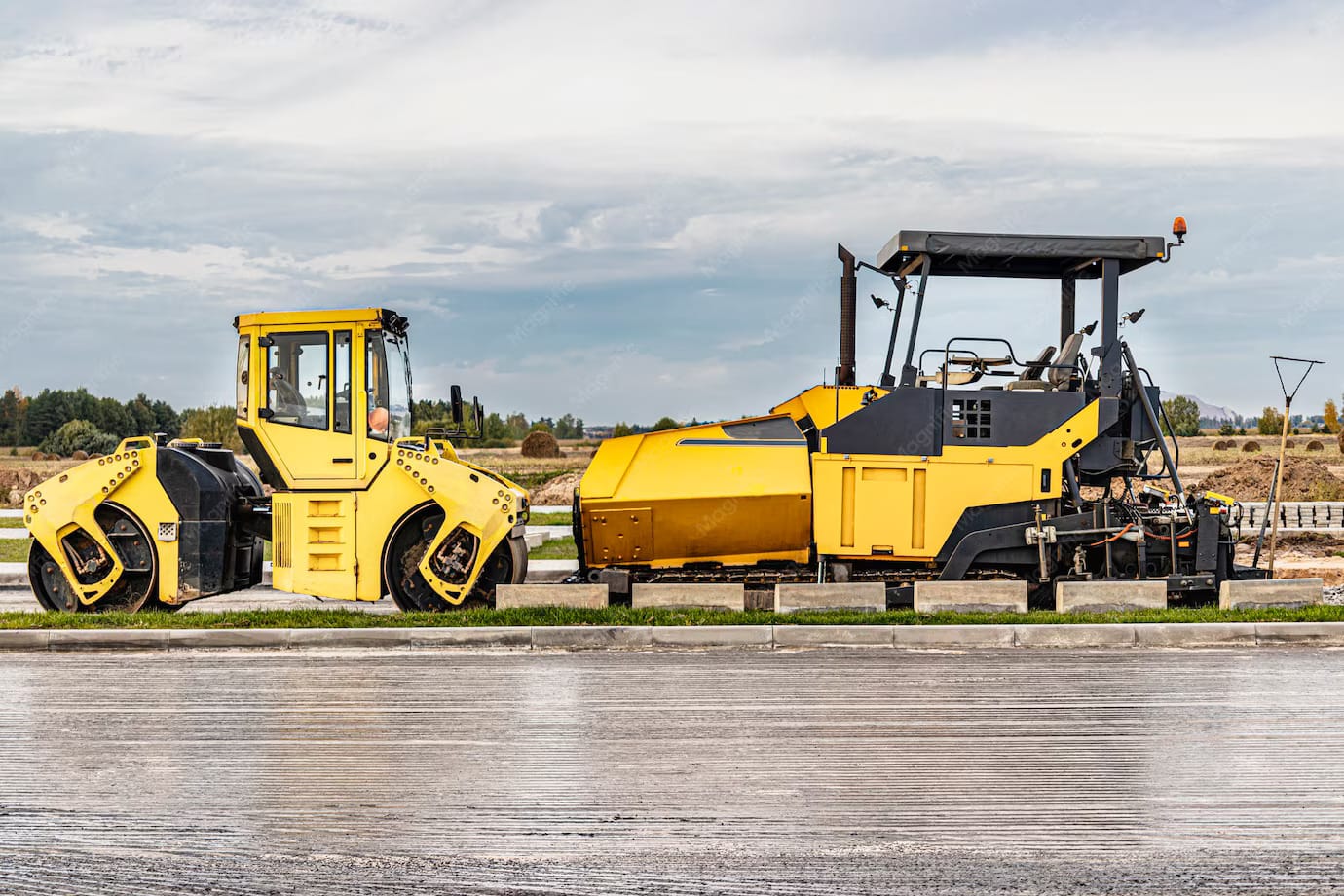
Compaction is critical. We stage breakdown, intermediate, and finish rollers so the mat is compacted while it is in the proper temperature range. On a typical Richmond summer day, that window closes quickly. Our foreman monitors temperature and adjusts roller patterns and truck spacing so the finish density is consistent from end to end. Good compaction is the difference between a surface that lasts 5 years and one that lasts 15 or more under the same traffic.
Local Conditions That Affect Industrial Asphalt In Richmond
Richmond’s climate is tough on industrial pavements. We see wide temperature swings, frequent freeze thaw cycles in winter, and high heat in summer. Heavy trucks sitting on soft subgrade after a rain can pound ruts into a weak section in a matter of weeks. Precision Asphalt Richmond designs industrial asphalt paving with these local realities in mind, not just a generic chart.
Drainage is usually the first thing we fix on older industrial yards. If water is standing anywhere longer than a few hours after a storm, the subgrade under that spot is getting weaker. We look at slope, existing drains, and any history of ponding or ice buildup. Sometimes the solution is as simple as regrading and adding a few more catch basins. Other times we recommend edge drains or underdrains along dock areas where roof water or washdown water concentrates.
We also pay attention to how your operations interact with the pavement. At some Richmond warehouses, the heaviest wear comes from forklifts crossing the same joint over and over, or from truck dollies turning sharply at dock entries. In those locations we may specify thicker asphalt, a different mix, or even reinforce a small section with concrete so the rest of the asphalt surface is not constantly being torn up.
Local permitting and VDOT related requirements can also affect your project if tie in work is needed at public roads. Because we work in Richmond and surrounding counties on a regular basis, we already understand the typical details that inspectors look for, such as tie in transitions, proof roll expectations, and erosion controls. That familiarity keeps your job moving instead of stalling over missed details.
Cost Drivers, Options, And Common Problems We Solve
Industrial asphalt paving costs are driven by three main factors: pavement thickness, base preparation, and access or phasing. At Precision Asphalt Richmond, we walk you through options instead of just handing over a lump sum price. For example, there is often a choice between a slightly thinner asphalt section that might need maintenance sooner and a thicker section that is more expensive upfront but cheaper over the life of the pavement.
Base preparation is usually the biggest wild card. If the existing stone is solid and drains well, we may be able to reuse a lot of it by regrading and recompacting, which saves money. If we find pumping subgrade or buried debris, we will show you exactly what is happening and propose targeted undercutting, geotextile, or soil stabilization. We explain the pros and cons of each approach, including what it means for long term performance, not just the initial check you will write.
Common problems we are called to fix at industrial sites include rutting in truck lanes, broken pavement at loading docks, failing joints between asphalt and concrete, and soft spots that keep reappearing after patching. In many of these cases, the original pavement section was simply not designed for the loads it actually sees, or drainage was never addressed. Our approach is to core or cut small test areas so we can see how thick the existing asphalt is, how good the base looks, and whether water is trapped. Then we rebuild those problem zones with a pavement section that is matched to your operations instead of throwing the same patch at it again.
We also talk honestly about what not to spend money on. Some industrial yards do not benefit from cosmetic sealing over every square foot. In heavy traffic areas, your budget is better spent on structural thickness and targeted reinforcement. Sealing and striping may still make sense at employee and visitor parking, where appearance and light duty performance matter more.
Planning, Phasing, And Working Around Your Operations
Most industrial and distribution customers cannot shut down their yard for a week. Precision Asphalt Richmond plans industrial asphalt paving projects around your operations so trucks can keep moving. Before we schedule equipment, we sit down with your operations team to map out traffic patterns, delivery schedules, and any times when docks or entrances must remain open.
We often break larger industrial paving jobs into phases. For example, we might rebuild the truck staging area first, then the main drive lanes, then loading dock approaches, keeping alternate paths open in each phase. Temporary striping, cones, and clear signage are part of our standard approach so drivers and forklift operators know exactly where they can and cannot go. When needed, we work off hours or weekends on the most disruptive phases so your shipping and receiving stays on track.
For new construction or major expansions, early coordination makes a big difference. We work with your general contractor and other trades so underground utilities, conduit crossings, and drainage structures are finished and inspected before paving. This prevents the all too common situation where fresh heavy duty asphalt has to be cut for a missed line or manhole adjustment.
Before we leave, we walk the site with you and review a maintenance game plan. For industrial pavements in the Richmond climate, that usually includes a schedule for crack sealing, guidelines on weight limits in non reinforced areas, and suggestions on how to handle snow removal so plows do not peel up edges or damage transition joints. The goal is simple: your industrial asphalt paving should support your operation safely and reliably for years without constant emergency repairs.