
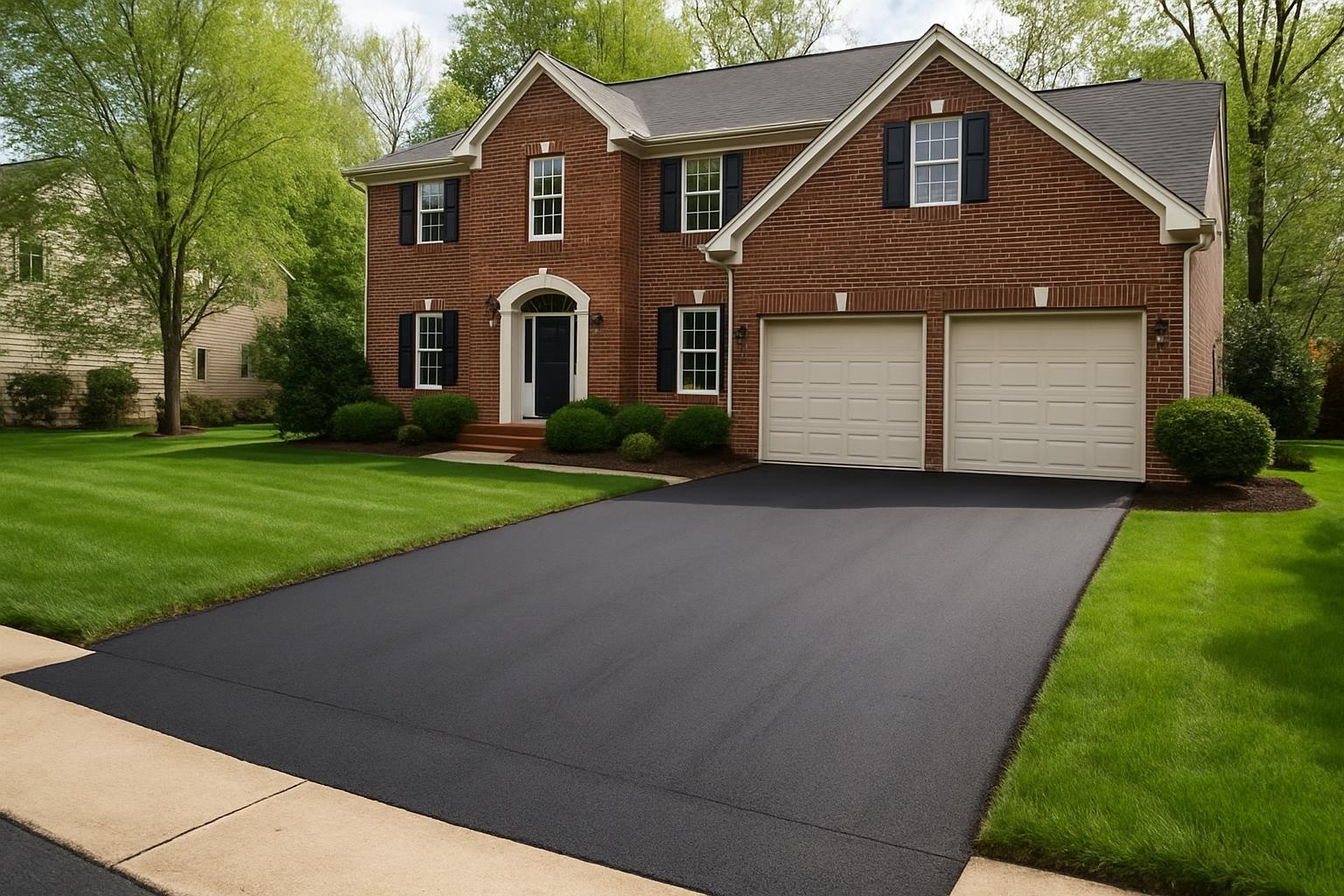
If you own a home, business, or rental property in Richmond, VA, chances are you rely on asphalt every day. From driveways in the Fan to small commercial parking lots on Midlothian Turnpike, quality asphalt paving affects curb appeal, safety, and long-term maintenance costs. Yet many property owners aren’t sure how to choose the right asphalt paving contractor for their project.
At Precision Asphalt Richmond, we talk to homeowners and business owners all the time who are fixing problems caused by rushed, low-bid paving work. This guide walks you through what to look for in a paving contractor, common red flags, and how to get a project that holds up to Richmond’s traffic and weather.
First, make sure the asphalt paving company is truly local to the Richmond area. Local contractors understand our clay-heavy soils, drainage issues, and the freeze-thaw cycles that stress asphalt every winter. A crew that regularly works in Richmond will know how thick your asphalt should be, how to prepare the base for slopes in neighborhoods like Church Hill, and what mix performs best in Virginia’s climate.
Ask how long the company has been paving in and around Richmond. A contractor with years of local experience will have references in areas like Short Pump, Northside, and Chesterfield that you can actually drive by and see. Look for jobs that are several years old so you can check how well the pavement has held up.
Next, focus on the basics that determine whether your new asphalt will last. Quality asphalt paving starts with a solid base. For a residential driveway, this usually means several inches of compacted stone over properly graded soil. For a commercial parking lot, the base may be even thicker to handle heavier traffic. When you get estimates, ask each contractor to explain how they will handle excavation, grading, stone base thickness, and compaction.
Compaction is one of the biggest factors in long-term performance. A contractor should use professional compactors and rollers sized appropriately for the job. If someone plans to just spread asphalt and "let it settle," that is a major warning sign. Proper compaction is what helps prevent potholes, rutting, and premature cracking.
Thickness is another key detail. In Richmond, most residential driveways need at least two layers: a base course and a surface course, usually totaling 3 inches or more of compacted asphalt. Commercial asphalt often needs to be even thicker. When reviewing quotes, make sure each contractor specifies compacted thickness, not just loose thickness. This difference matters over the long run.
Drainage is especially important around Richmond, where heavy summer storms can create standing water. Water is one of asphalt’s biggest enemies. A reputable paving company will design the surface with the correct pitch so water flows away from buildings, garages, and entrances. Ask how they plan to direct runoff and how they’ll avoid low spots where puddles can form.
Insurance, licensing, and written documentation are non-negotiable. Any professional asphalt paving contractor working in Richmond, VA should carry liability insurance and workers’ compensation. Request proof before work begins. You should also receive a written proposal that details the scope of work, materials, thicknesses, start and completion dates, payment schedule, and any warranty terms.
Be cautious of unusually low bids and high-pressure sales tactics. In Virginia, traveling paving crews sometimes move from city to city offering "leftover asphalt" at bargain prices. These offers almost never include proper base preparation, grading, or compaction, and they rarely come with a meaningful warranty. If a quote sounds too good to be true, compare it line by line with proposals from established Richmond companies.
Communication is another sign you’ve found the right contractor. During the estimate, pay attention to whether the estimator actually listens to your concerns, inspects your property carefully, and explains options in plain language. For example, a good contractor will tell you when a driveway can be repaired and resurfaced versus when it really needs full replacement.
Look at before-and-after photos of local projects and ask for references you can call. If you are considering a residential driveway, ask to see examples similar in size and slope to yours. If you manage a small business or church, ask to see completed parking lots with comparable traffic patterns. Feedback from other Richmond property owners is one of the best indicators of future performance.
Timing your project matters too. Many Richmond property owners schedule asphalt paving in spring or fall for ideal temperatures, but with proper planning and the right equipment, good contractors can complete quality work throughout most of the paving season. When you schedule, ask how long you’ll need to stay off the surface and what you should do to protect the new pavement during its first few days.
Once your asphalt is installed, ongoing maintenance will extend its life. Basic steps like keeping the surface clean, sealing cracks, and scheduling sealcoating at the right intervals will help protect your investment. Your paving contractor should be able to offer or recommend maintenance services and give you a simple plan tailored to your driveway, parking lot, or private road.
If you are planning a new asphalt driveway or replacing a failing one at your Richmond home, it helps to talk with a contractor that specializes in residential work and understands our local neighborhoods. Precision Asphalt Richmond provides detailed proposals, clear explanations, and paving solutions designed for Richmond’s soils, slopes, and weather so your new surface looks great and lasts.
To explore options for a durable, great-looking driveway at your Richmond property, schedule a free estimate and ask us to walk you through base preparation, asphalt thickness, drainage, and maintenance recommendations specific to your home.